
"Barahona coffee"
600 article(s) found

A brief introduction to the cultivation of fine coffee beans in Santo Domingo with excellent acidity, geographical location, climate and altitude
In the early 18th century, coffee was introduced to Domiga from Martinique, and fine coffee was produced in the north represented by Hibao and in the south, including Okayabani Santo Domingo. Among them, the coffee produced by Santo Domingo and Barney, which is almost synonymous with domiga coffee, is a world-famous high-quality coffee. Santo Domingo coffee, which is characterized by freshness and elegance,

A brief introduction to the treatment method of grinding degree and baking degree of Santo Domingo fine coffee beans with excellent acidity
In the early 18th century, coffee was introduced to Domiga from Martinique, and fine coffee was produced in the north represented by Hibao and in the south, including Okayabani Santo Domingo. Among them, the coffee produced by Santo Domingo and Barney, which is almost synonymous with domiga coffee, is a world-famous high-quality coffee. Santo Domingo coffee, which is characterized by freshness and elegance,

A brief introduction to the planting Market Price of Santo Domingo Fine Coffee Bean varieties
Coffee in Dominica is graded in sizes such as AA and AB, but it is classified as top grade by coffee from highlands such as Sivao and Baraona. Both kinds of coffee are harvested from February to May and are refined by washing. Turning to the introduction of Dominican coffee, the most distinctive features are fresh and elegant, full of particles, excellent acidity and pleasant flavor.
Detailed classification and introduction of coffee beans around the world-beginners to coffee
Dominican Republic: Barahona (Mozambique) cheap sweet Manyika (Manica) when you drink coffee, do you notice what kind of coffee you drink from which coffee beans are ground? There are many varieties of coffee beans with different mouths and stomachs. Most of the coffee beans in the current market are distinguished by their origin, with the following list of the main producing countries and their famous coffee, and

Description of flavor, taste and aroma characteristics of fresh and elegant Santo Domingo boutique coffee beans
Coffee in Dominica varies slightly in taste according to the altitude of the region where it is grown, with sour but rich taste in the highlands, and less sour and smoother taste in the lowlands. On the other hand, the high-quality coffee beans produced by some Dominican estates have a rich aroma, mellow taste, moderately bright sour taste, and are often used with famous Puerto Rican or Jamaican coffee.

A brief introduction to the market price of Dominica boutique coffee with excellent acidity and pleasant aroma
On the other hand, the high-quality coffee beans produced by some Dominican estates have rich aroma, mellow taste and moderately bright sour taste, and are often compared with those from Puerto Rico or Jamaica. The temperate climate of Dominica is conducive to coffee cultivation. The best places to grow coffee are the Barahona region in the southwest and St. St., the second largest city in Dominica.

A brief introduction to the treatment method of grinding degree and roasting degree of Dominica Santo Domingo coffee with strong taste
The origin of coffee in the Dominican Republic: the best coffee producing place in the Dominican Republic is the Barahona region in the southwest, but Juncalito and Ocoa also produce a kind of high-quality coffee-SantoDomingo coffee, the characteristic of Dominican Republic coffee: Dominican Republic coffee is fresh and light.

Full-bodied Dominican coffee flavor Santo Domingo coffee has many characteristics of Dominica coffee beans
The temperate climate in Dominica is conducive to coffee cultivation, and the best places to grow coffee are the Barahona region in the southwest and the Cibao Valley north of Santiago, Dominica's second largest city. The northern region, represented by Hibao, and the southern region, including Okayabani Santo Domingo, produce good coffee. Among them, Santo

A brief introduction to the cultivation of pure and gentle Santo Domingo boutique coffee beans, geographical location, climate and altitude
To trace the origin of Tibica, we should first talk about the coffee trees originally planted in Martinique. These trees were planted by Dominicans as far back as the early 18th century, so Dominica began growing coffee as early as that time. For a time, the Caribbean was almost synonymous with coffee production, but in recent years Cuba, Haiti and other producing areas have been severely damaged by Hurricane George.

A brief introduction to the treatment method of grinding degree and baking degree of Santo Domingo boutique coffee beans with winding aftertaste
The earliest coffee in Dominica was introduced from Martinique (the overseas province of France), dating back to the early 18th century. Dominica is an island country with a tropical climate. The temperature changes little throughout the year. Except for the lower temperature in the Central Cordillera Mountains, which can reach less than 0 ℃ in winter, the annual average temperature in other areas is between 2530 ℃, which is affected by the mountain topography.
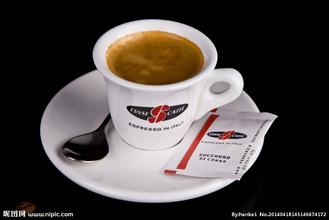
Dominica Santo Domingo Coffee Flavor description Grinding characteristics introduction to the taste of varieties in producing areas
The earliest coffee in Dominica was introduced from Martinique (the overseas province of France), dating back to the early 18th century. Dominica is an island country with a tropical climate. The temperature changes little throughout the year. Except for the lower temperature in the Central Cordillera Mountains, which can reach less than 0 ℃ in winter, the annual average temperature in other areas is between 25 and 30 ℃, which is affected by the mountain topography.

Introduction of Dominica Coffee beans introduction of the characteristics, flavor and taste of Dominican coffee beans
In the west of Hispaniola, the harvest in the mountains above 1500 meters above sea level, the rich coffee Republic of Dominica (Dominican Republic) is adjacent to Haiti, both of which own the island of Hispaniola (Hispaniola). The best production site is the Barahona region in the southwest, but Juncalito and Ocoa are also

A brief introduction to the origin, development, history and culture of Dominica boutique coffee beans with excellent acidity
The best place to produce is the Barahona region in the southwest, but Juncalito and Ocoa also produce a fine coffee, Santo Domingo coffee, which is characterized by freshness and elegance, fullness, excellent acidity and pleasant aroma, so it is worth it. Unlike coffee produced in Haiti, Dominica has a total of
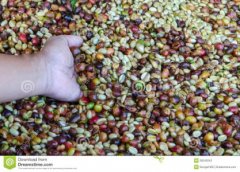
A brief introduction to the cultivation of fine coffee beans in Santo Domingo, geographical location, climate and altitude
The Dominican Republic has also experienced a history of unrest and poverty, and now the country has implemented democratic elections and entered a period of stable development, but it has not yet formally established diplomatic relations with China, but has maintained so-called diplomatic relations with Taiwan. It seems that this has nothing to do with coffee, but in fact, it still has an impact. The exchanges between the two countries that have not established diplomatic relations are subject to many restrictions in all aspects, and of course they will.

Introduction to Dominica Santo Domingo Coffee with delicate and refreshing acidity
The so-called round beans (also known as male beans): coffee beans are not male or female, the correct term is lentil Flat Beans and Peaberry. Under normal circumstances, there are half-divided flat beans (seeds) in a coffee berry, but in a few cases the inner seeds do not split, but instead show a complete oyster-shaped grain. A normal coffee bean should have two seeds.
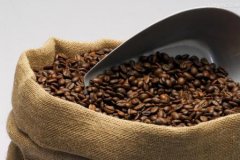
A brief introduction to the treatment method of grinding degree and baking degree of pure and gentle Santo Domingo boutique coffee beans
Carefully selected in this way, the high-quality Dominican coffee exudes a faint aroma and gives people a faint fruity aroma with a lingering finish and a smooth and smooth finish. To trace the origin of Tibica, we should first talk about the coffee trees originally planted in Martinique. These trees were planted by Dominicans as far back as the early 18th century, so Dominica began at that time.
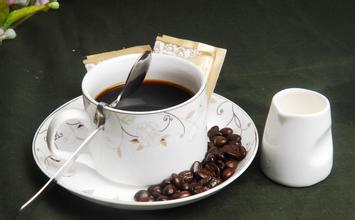
Dominica Santo Domingo Coffee Flavor description abrasion Variety characteristics of Fine Coffee
Located in the Jarabacoa region near Siwao, it has the largest farm in Dominica, Ramirez Manor (RamirezEstates), which mainly grows Kaddura varieties, and most of the coffee produced is sold to Europe, the United States and other western countries and regions. Ramirez Manor itself produces coffee in an environmentally friendly way. Coffee from Dominica is made with A.

The delicious flavor of Dominican coffee manor introduces the characteristics of Dominican coffee beans.
In the west of Hispaniola, the harvest in the mountains above 1500 meters above sea level, the rich coffee Republic of Dominica (Dominican Republic) is adjacent to Haiti, both of which own the island of Hispaniola (Hispaniola). The best production site is the Barahona region in the southwest, but Juncalito and Ocoa are also

Dominica Santo Domingo Coffee Flavor description Grinding Variety characteristics of Fine Coffee
The earliest coffee in Dominica was introduced from Martinique (the overseas province of France), dating back to the early 18th century. Dominica is an island country with a tropical climate. The temperature changes little throughout the year. Except for the lower temperature in the Central Cordillera Mountains, which can reach less than 0 ℃ in winter, the annual average temperature in other areas is between 25 and 30 ℃, which is affected by the mountain topography.

Taste Rich Dominican Santo Domingo Coffee Flavor Description Grind Taste Variety Features
Unlike coffee grown in Haiti, coffee grown in the Dominican Republic is mostly washed, a sign of high quality. Miniga Coffee uses water washing to treat coffee beans, so that the quality of treated coffee beans is more guaranteed. Coffee beans treated with water washing method retain more original flavor than drying method, and the aroma is pure and soft. Dominican coffee beans| Santo Domingo